Design Dilemmas: Insight From Emily
Good design is achieved with a balance of critical thinking and creative vision to solve everyday dilemmas—from grounding an expansive room to seamlessly concealing functional items. Today, we’re having a conversation with Emily to get her expert perspective on some common design challenges we face and how she resolves them in her projects.
Creating a Color Story
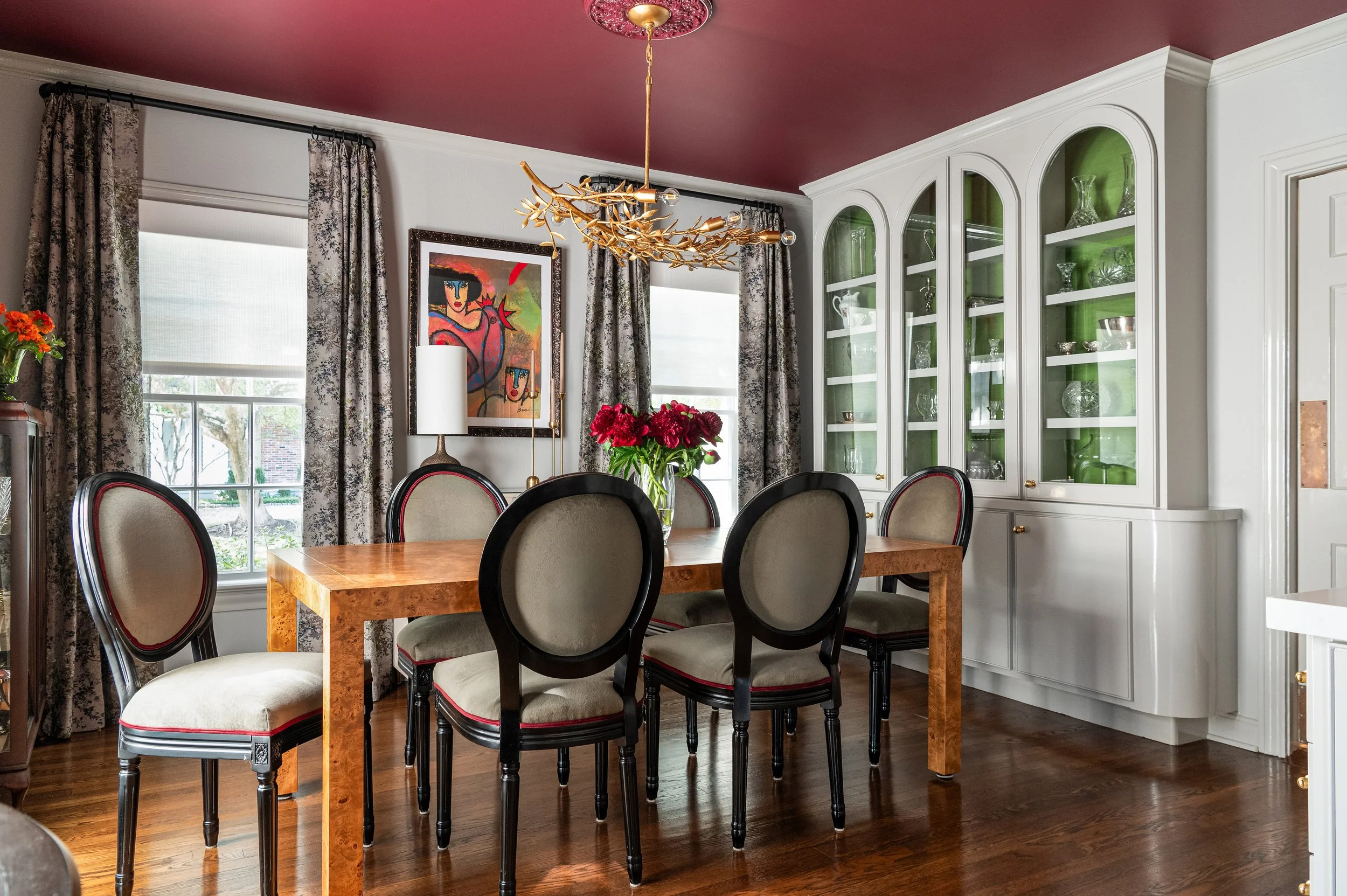
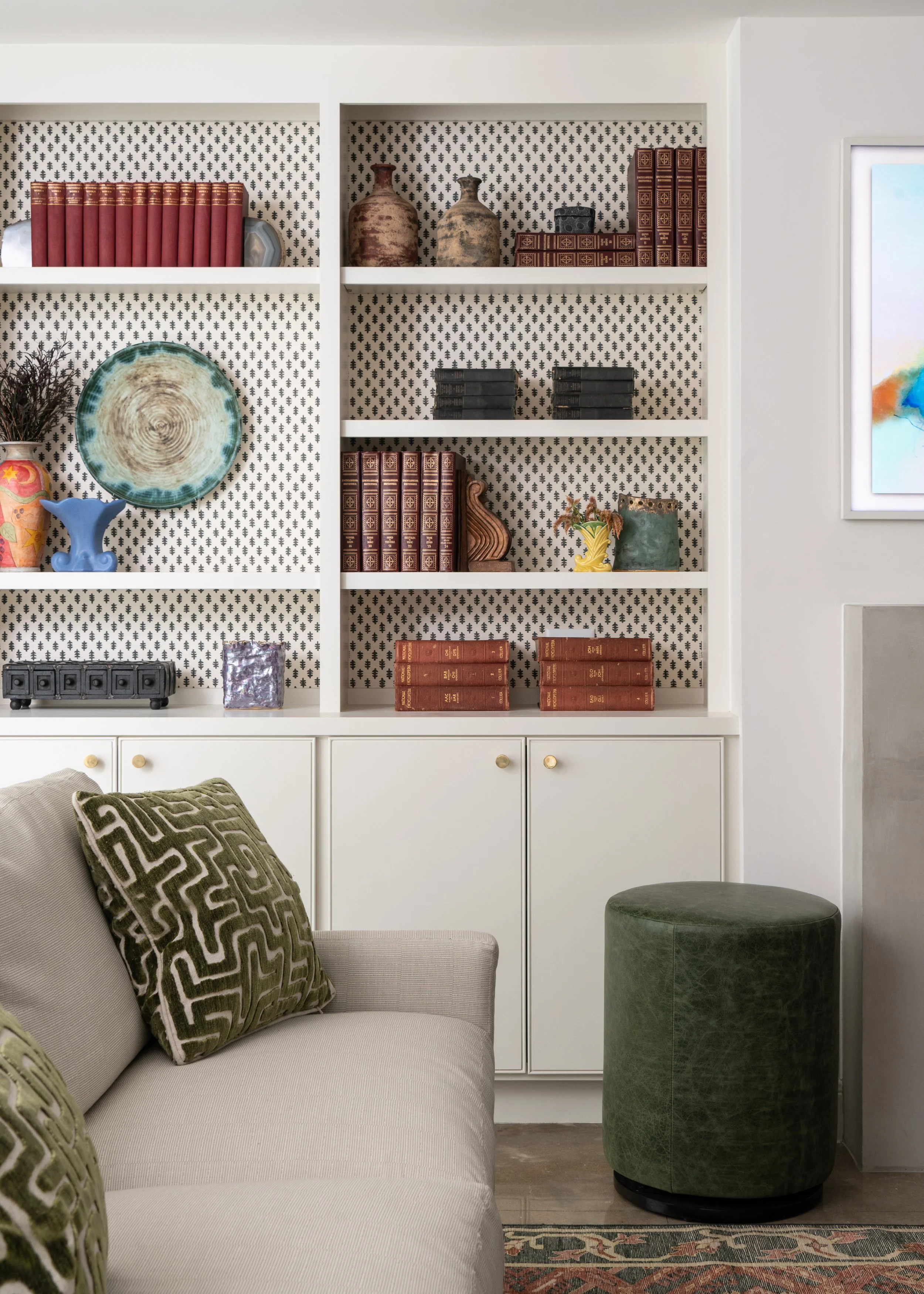
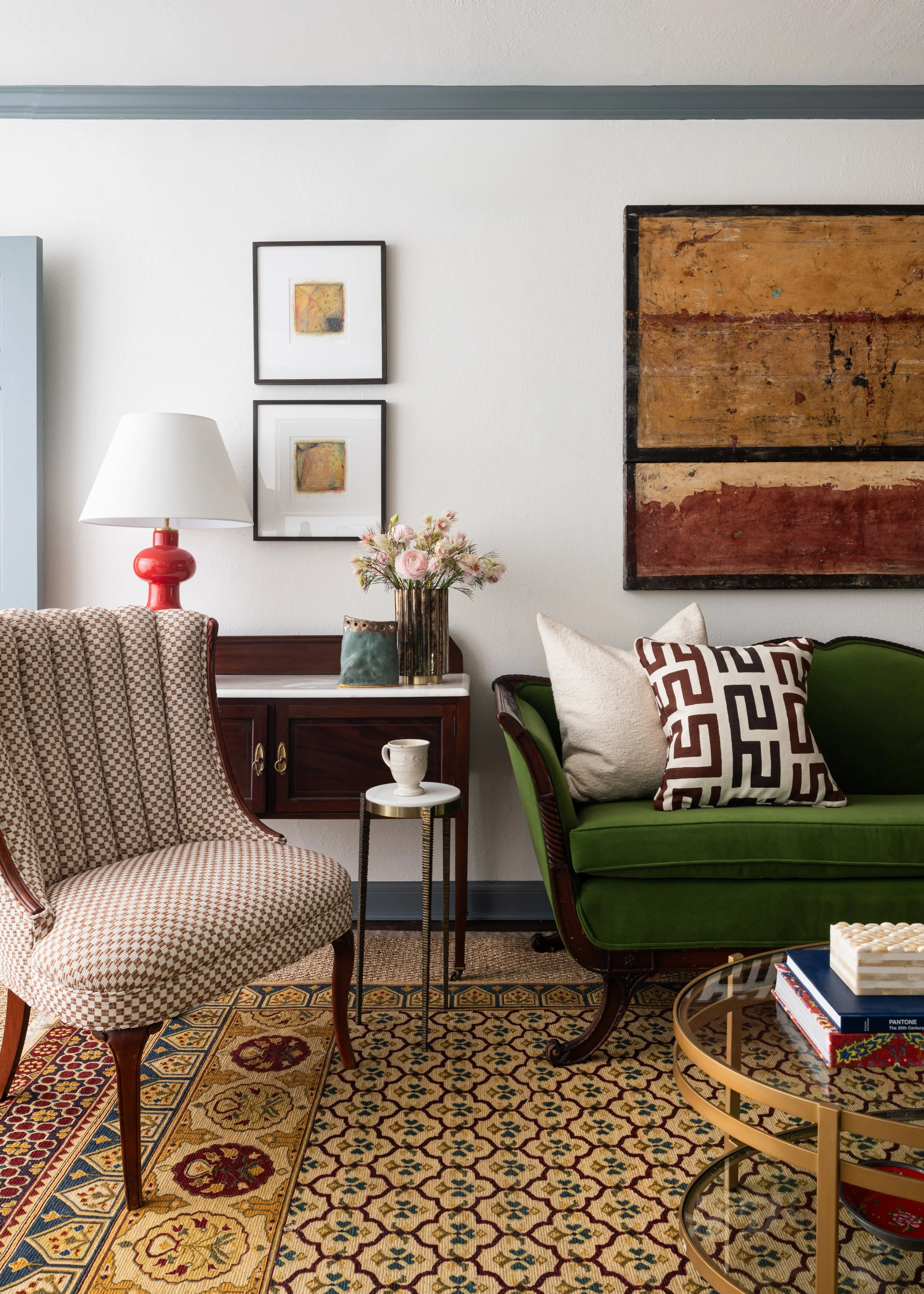
Known for spaces defined by rich color and layered texture, Emily’s designs manage to feel both curated and lived-in. Incorporating bold hues into a home without making the design feel overly staged or flat can be a delicate balance. Emily’s signature approach to building a cohesive color story is simple: select one or two thread colors to carry consistently through each room. In our Heritage House project, red served as our unifying anchor. We played with scale and intensity across the home—coating the dining room ceiling in a bold, dramatic red, then softening its presence in the living area where it speaks through quieter details like accent lighting and vintage book spines. By thoughtfully weaving a recurring hue through background items, you create a harmonious thread that feels less like a showroom and more personalized.
Where To Invest
When deciding where to allocate your design budget for the greatest impact, Emily recommends prioritizing three core investments: art, custom upholstery, and bespoke drapery. Art, in particular, is one of the most effective ways to accessorize and ground a space. Beyond effortlessly filling a wall, a compelling piece grounds the room, pulling the hues in the space together and anchoring your color story with personality and intent.
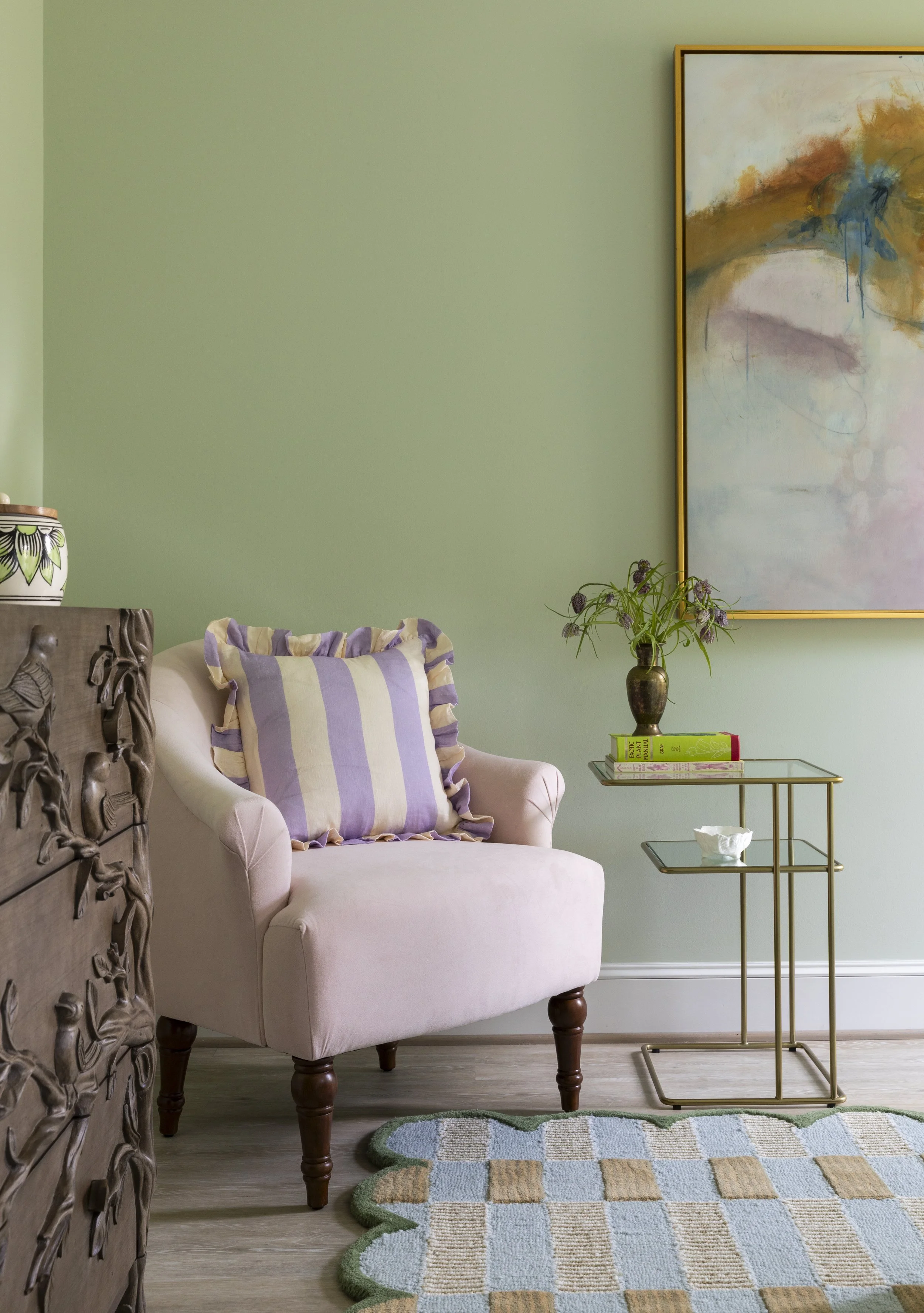
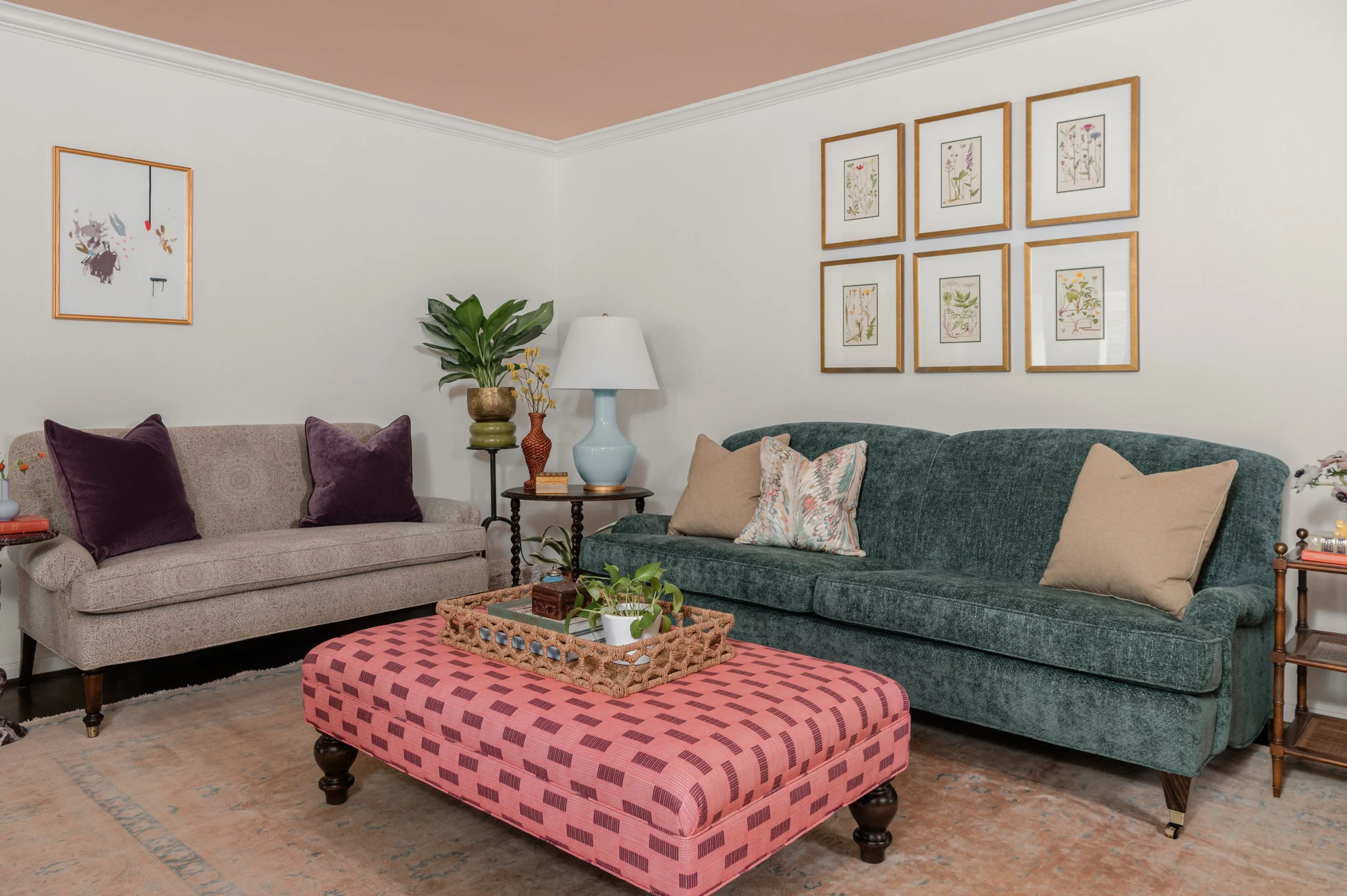
Upholstery and bespoke drapery are great investments into the long-term value of a home because they serve both aesthetic and functional purposes. Reupholstering transforms quality furniture into lasting heirlooms—allowing you to experiment with colors and textures that either unify a room’s palette or create striking focal points. Custom drapery offers a similar longevity, adding timeless character and elegance to any space it inhabits.
Picking a Paint Color
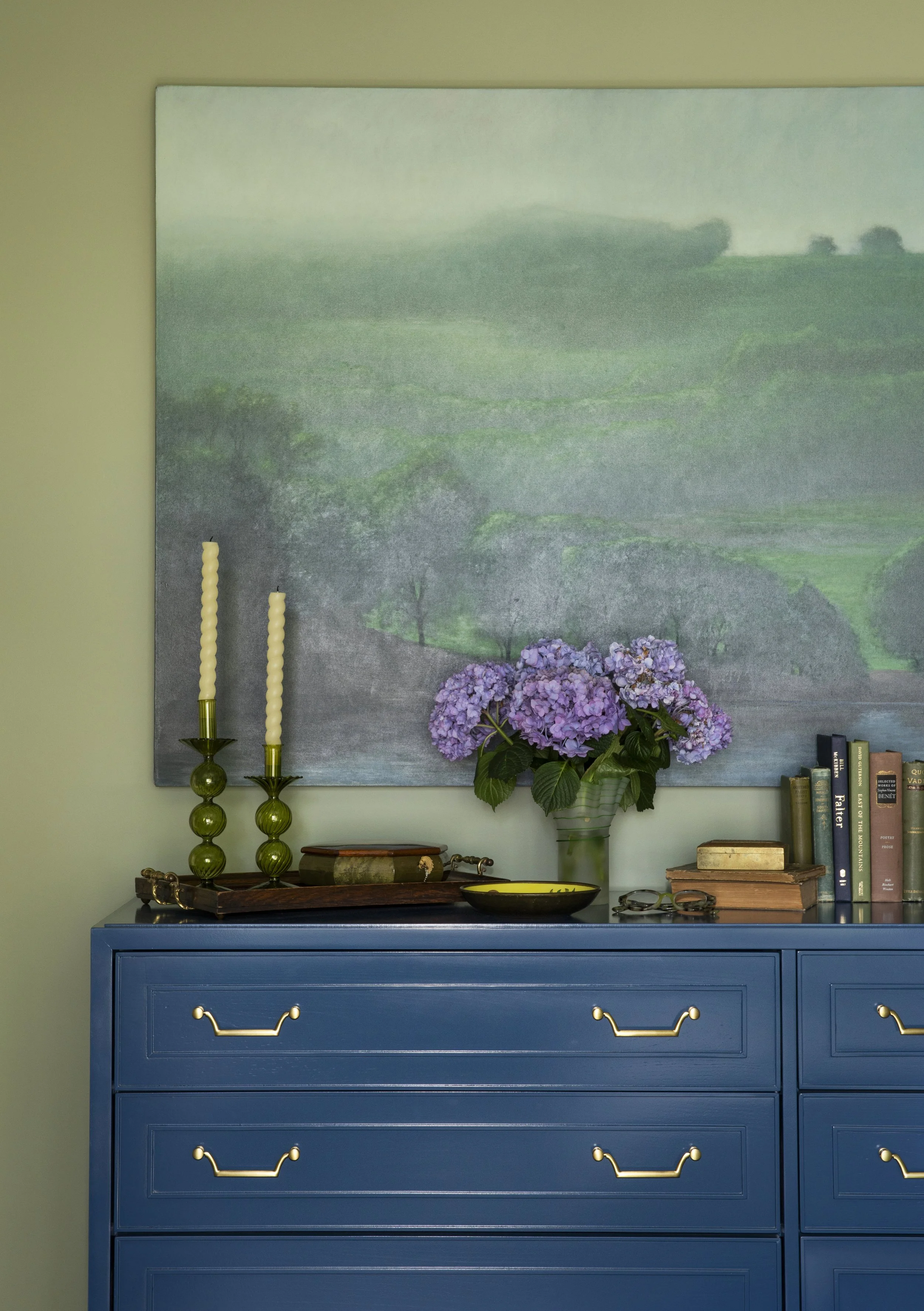
When it comes to the age-old dilemma of selecting paint colors, Emily has 3 key factors she considers when selecting the right color for a room: sheen, durability, and lighting. Sheen refers to the amount of light reflected off a painted surface. Higher sheens reflect light, delivering better durability and washability that hold up well in high traffic areas. They are the ideal choice for spaces that need frequent wiping—like kitchens, bathrooms, mudrooms, and laundry rooms. On the other hand, lower sheens absorb light, creating a softer, forgiving finish that conceals wall imperfections. When selecting a sheen, Emily always weighs the room's intended function alongside its design aesthetic to ensure the finish is as practical as it is stunning.
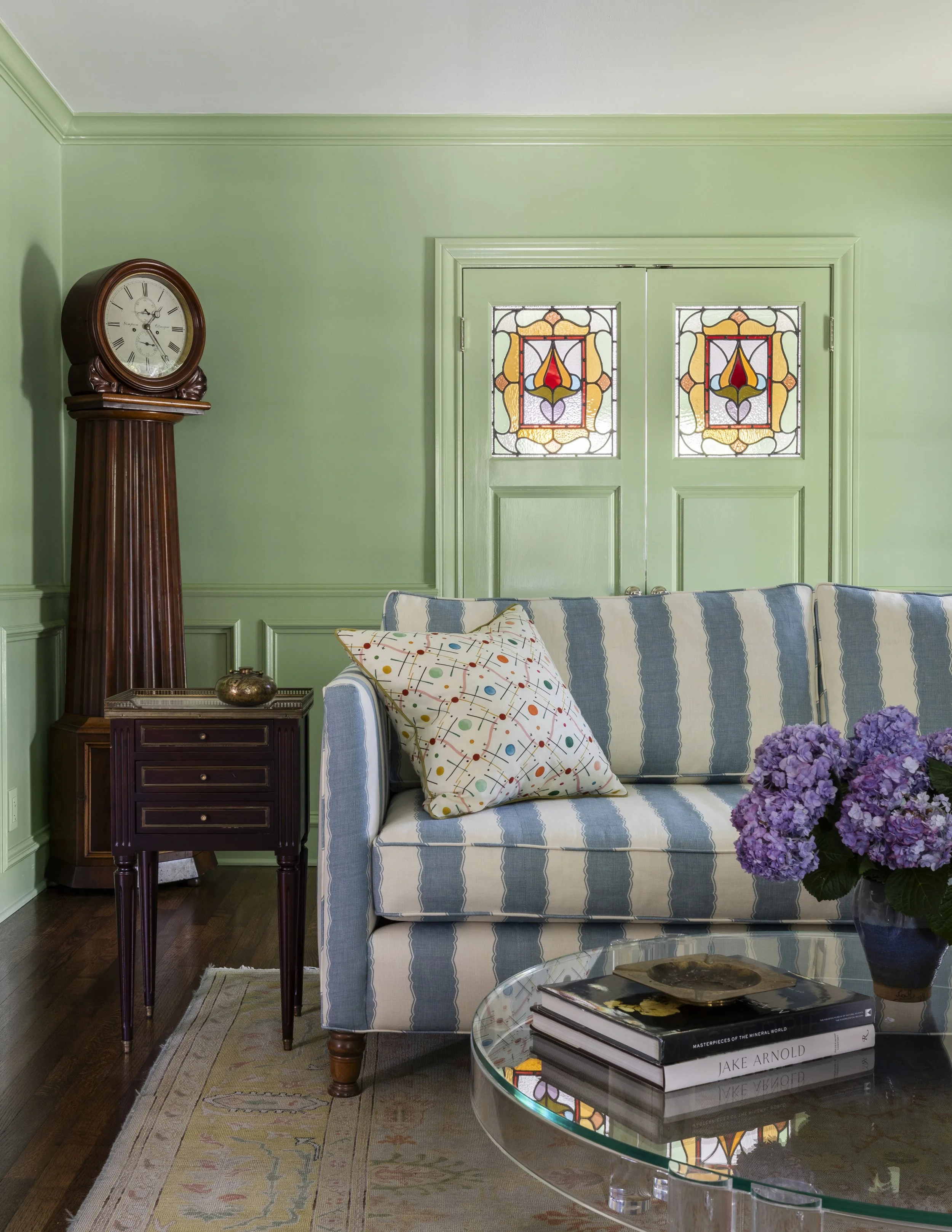
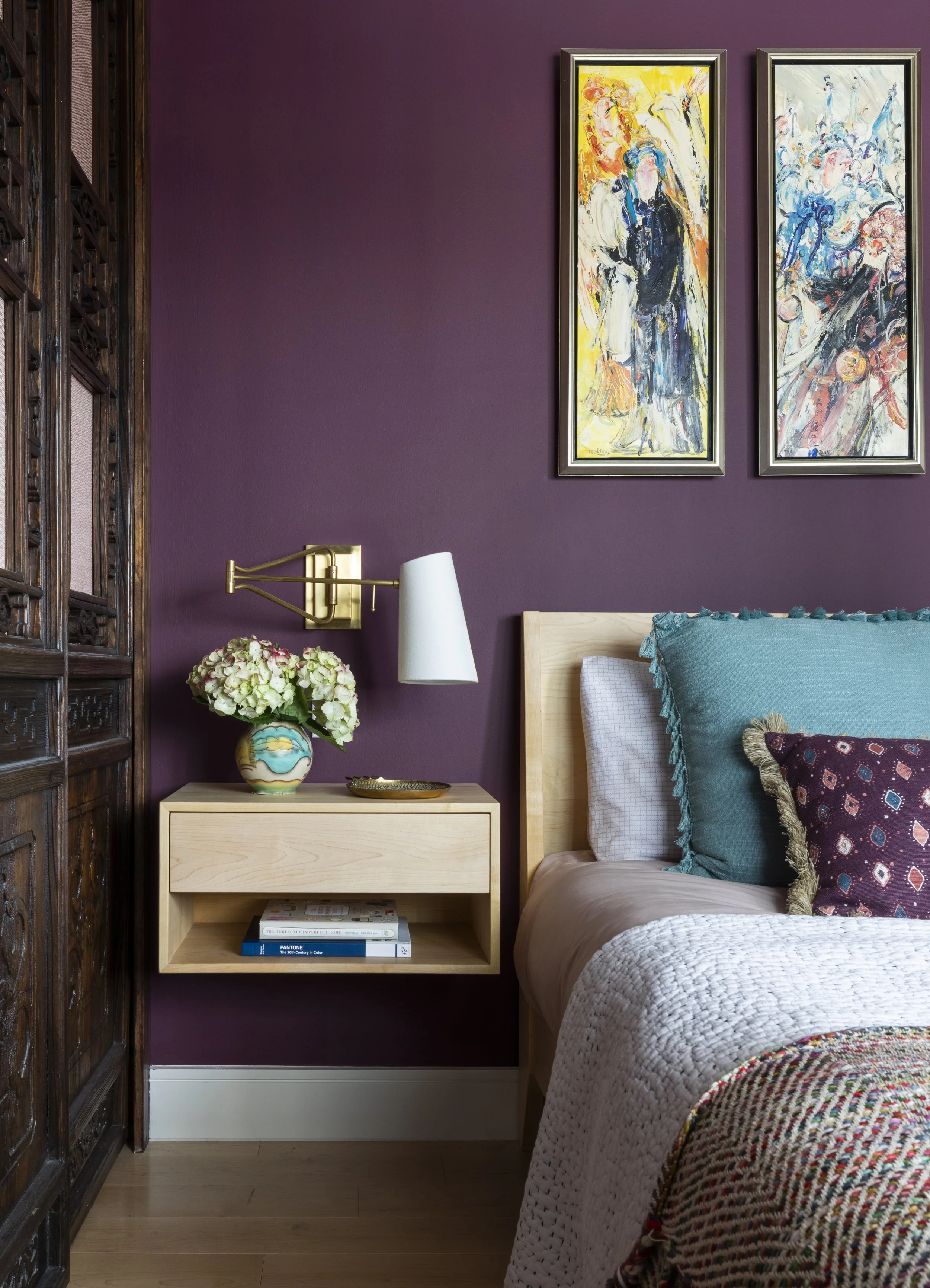
The most common misstep we see in design is overlooking how lighting transforms color once it is painted onto the wall. Emily always takes into account both the color temperature of the artificial lighting and the natural sunlight that moves through the room throughout the day. To see how a shade will realistically perform, Emily’s favorite approach is to paint an entire wall in the space rather than a small sample square. This gives you a true, immersive sense of how the color behaves, shifts, and wraps around your room as the light changes.