Back to the Basics: What Defines Good Design
Good Design Doesn’t Start Over
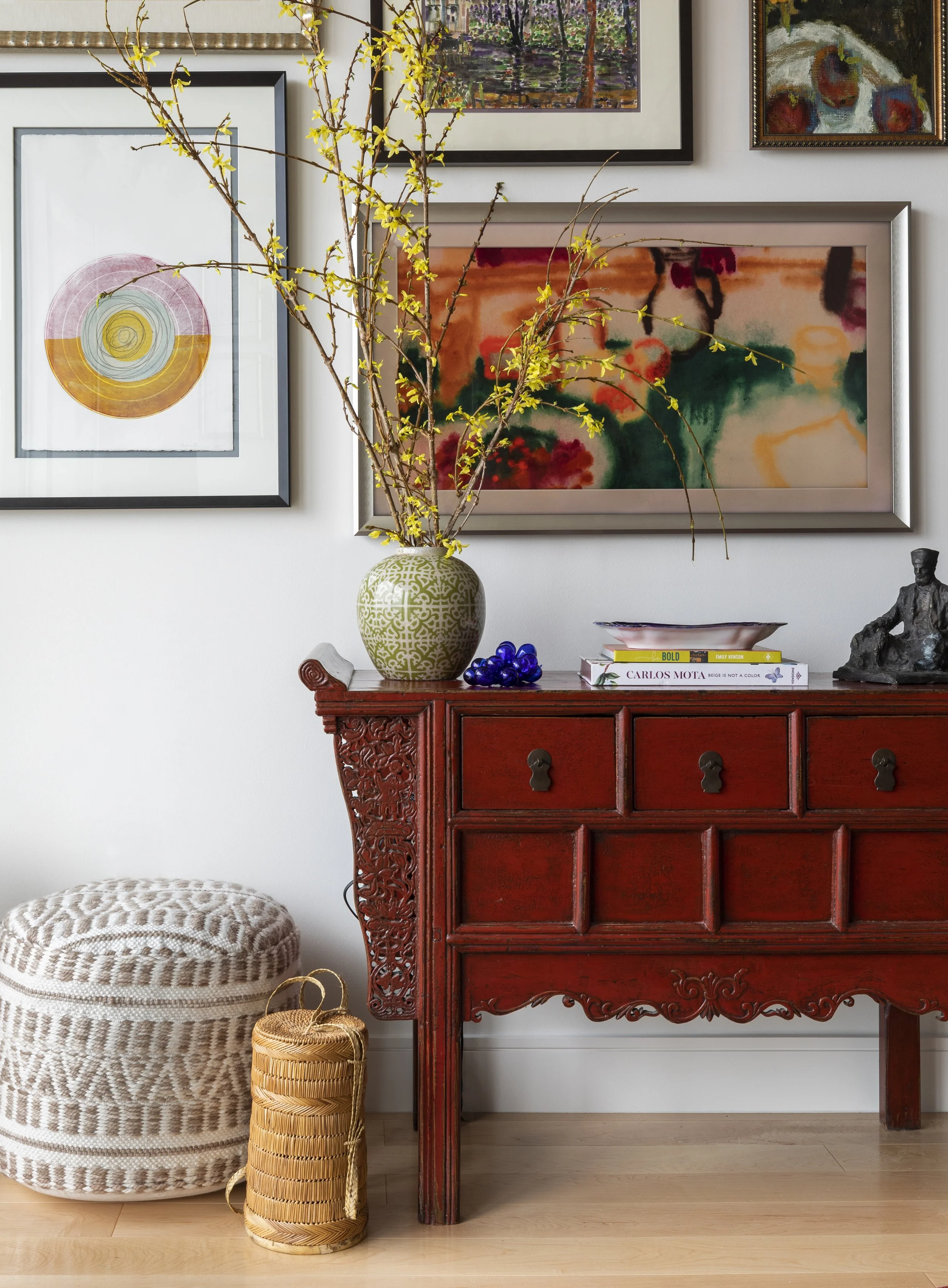
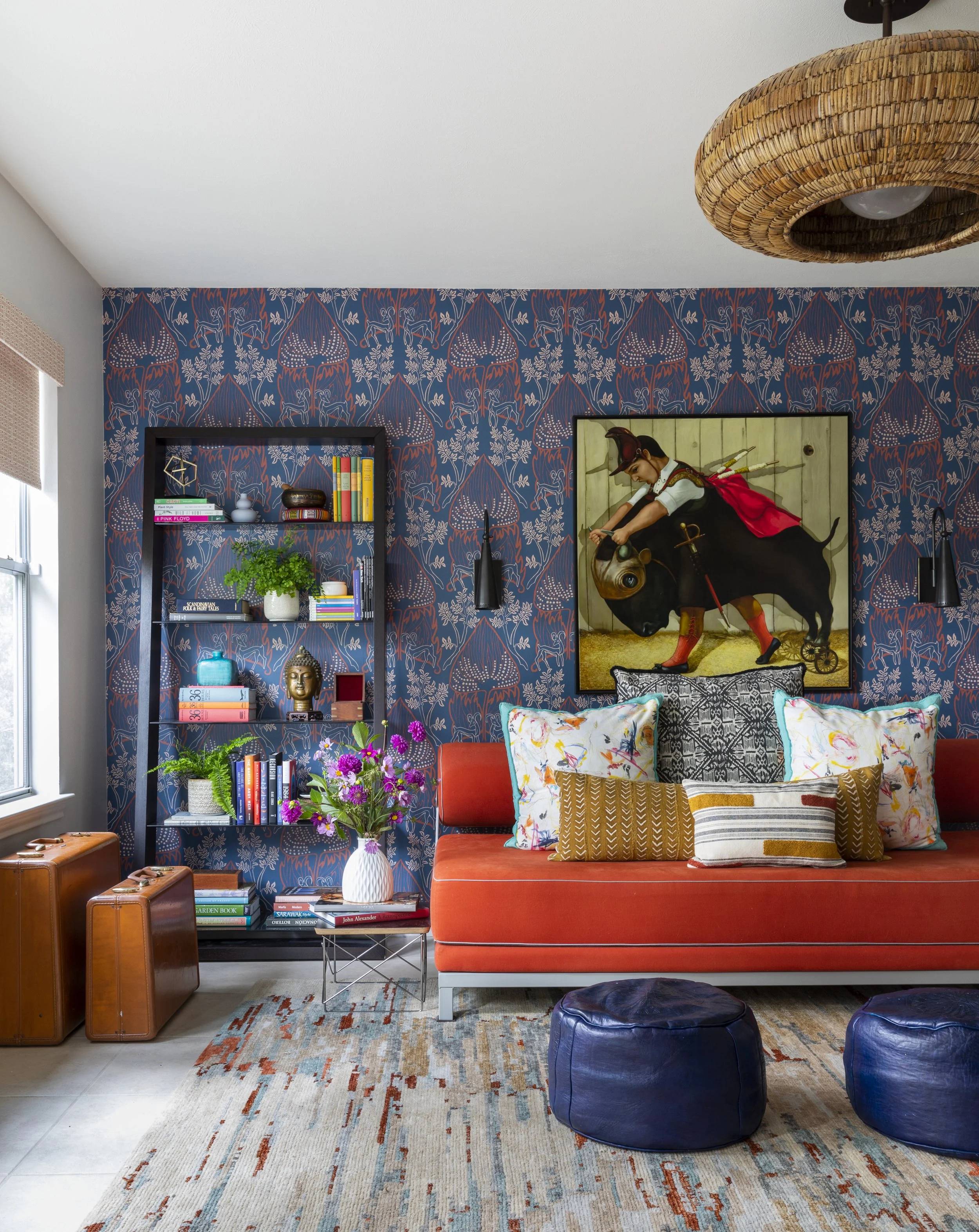
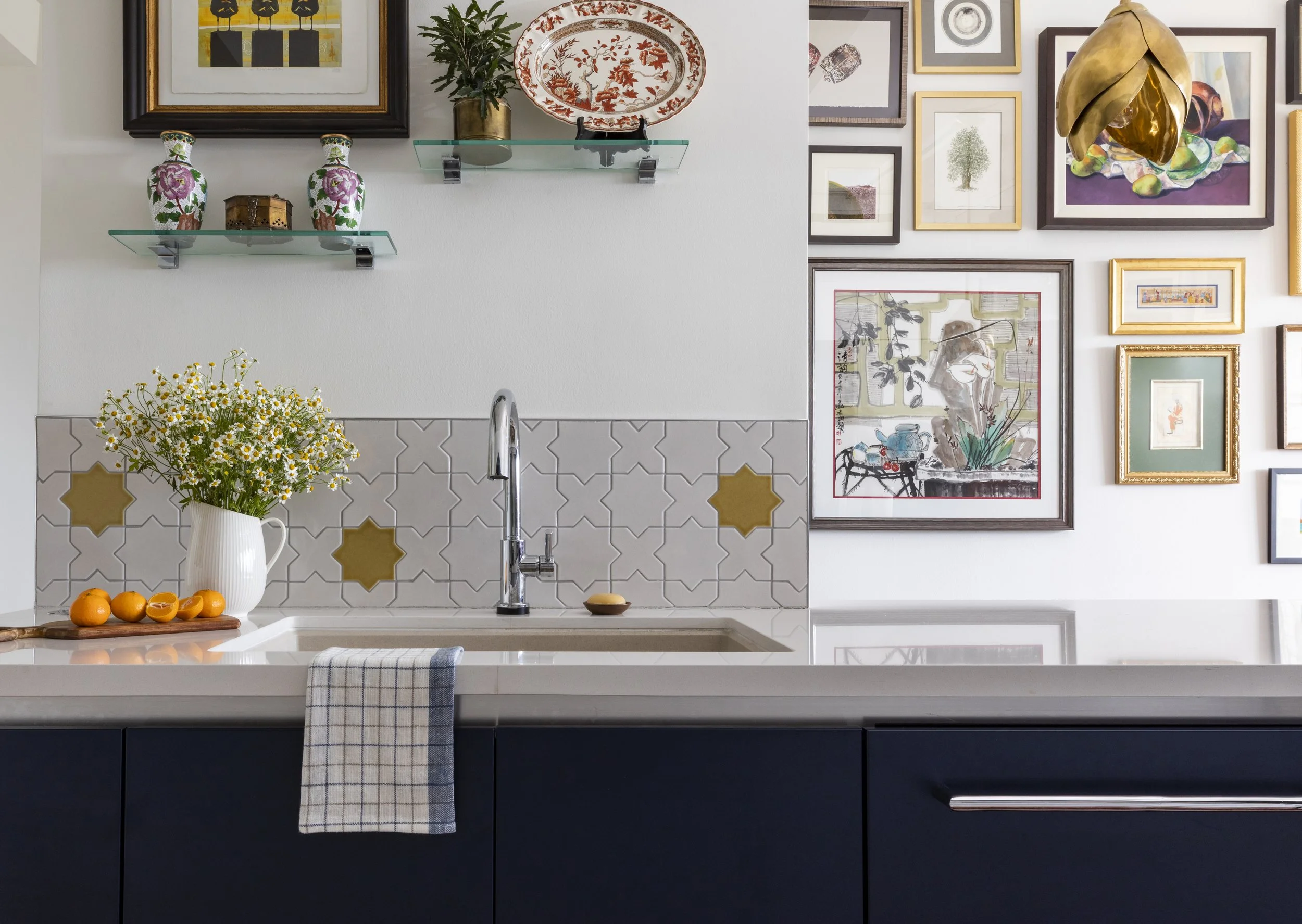
A common misconception about interior design is that it requires starting from scratch—an overwhelming and often unrealistic prospect for most homeowners. Truly good design begins by honoring pieces rich in history and personality, then repurposing them to maximize both form and function. In this home, we loved showcasing our client’s collection of art and travel artifacts, particularly throughout the living and dining spaces.
Styled Vignettes
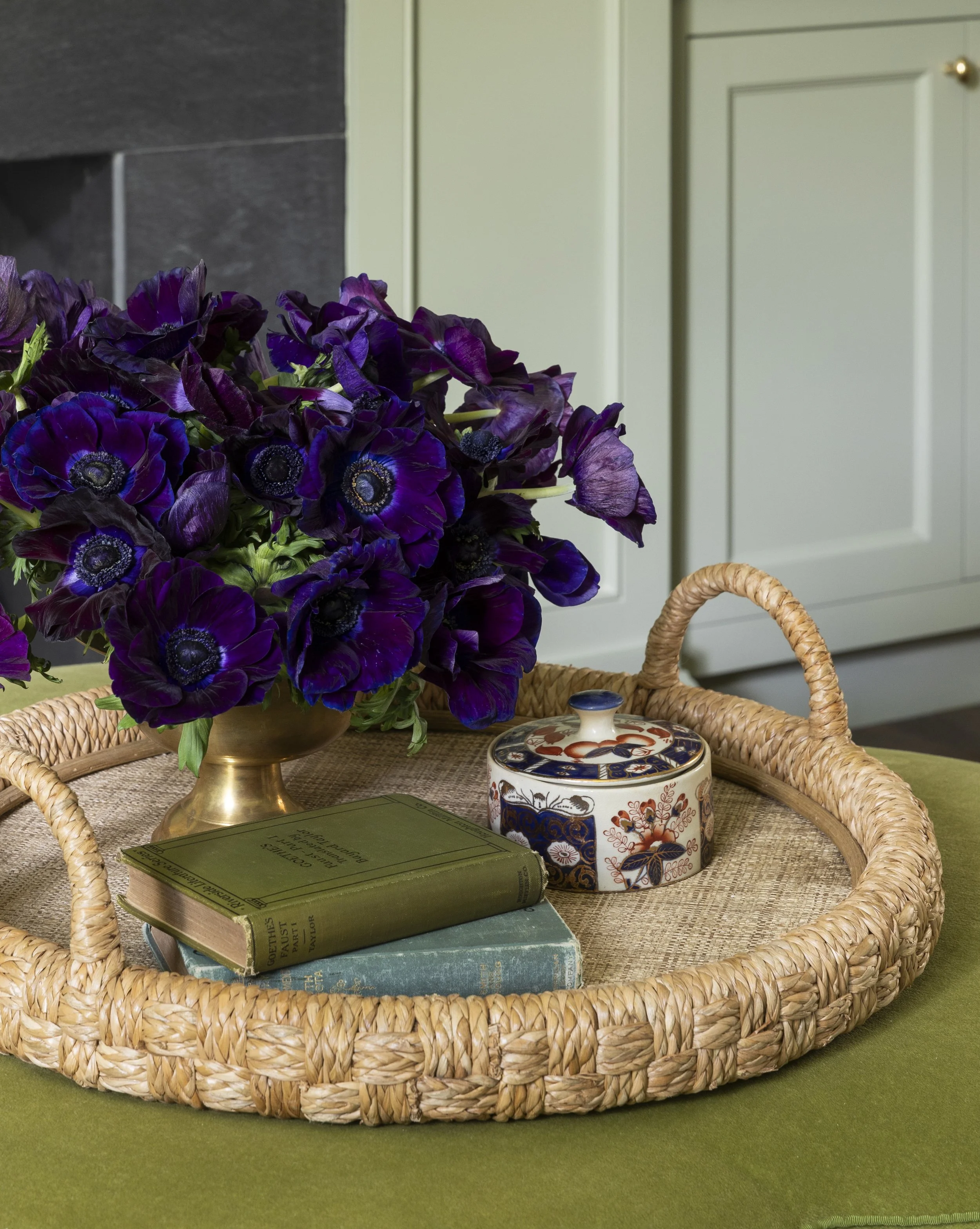
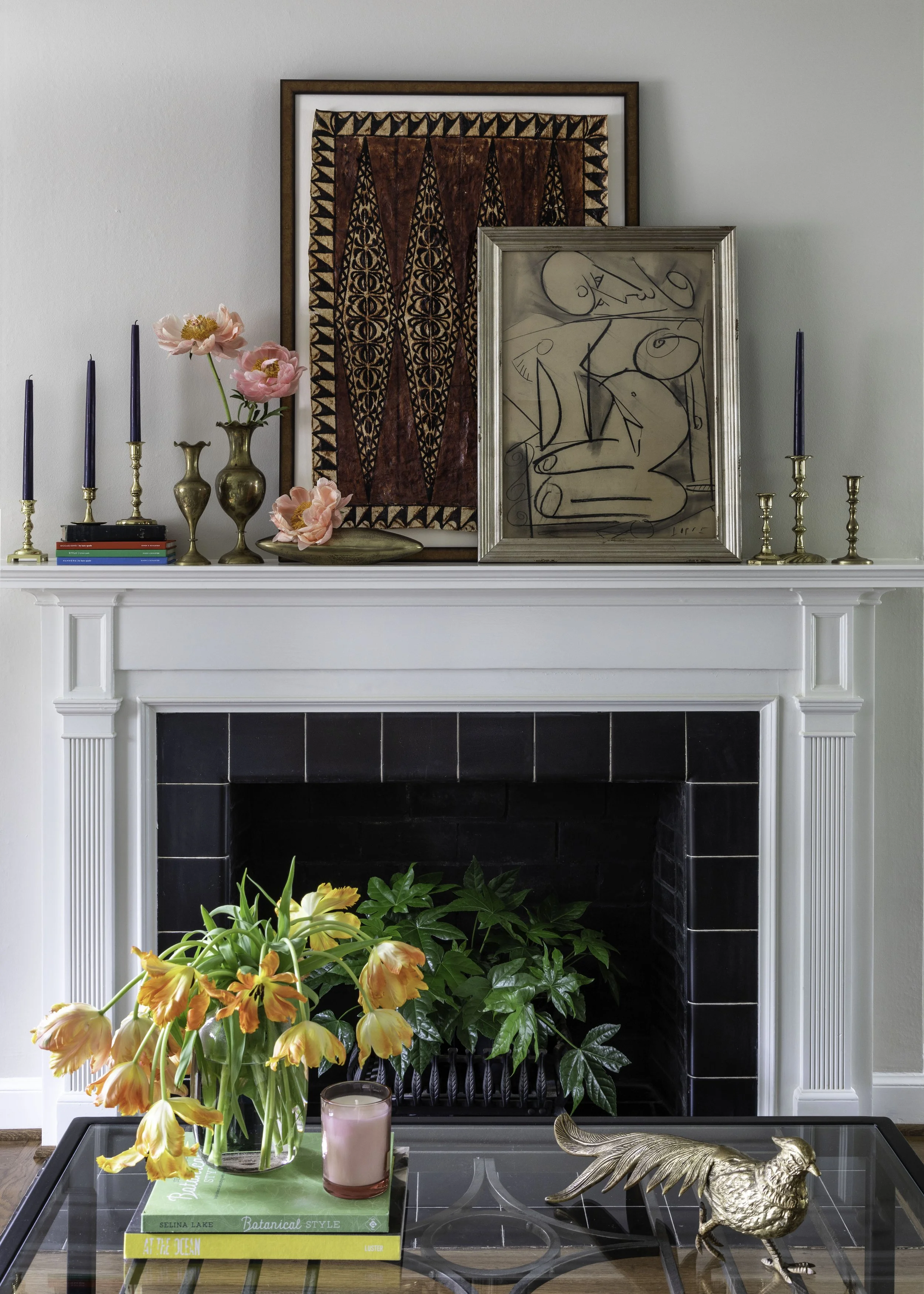
For Emily, styling and accessorizing is an essential final step in every installation. Decor and fresh florals bring smaller spaces—like this living room vignette—to life, turning them into photo-worthy moments. It’s an easy, effortless trick any homeowner can use to elevate their space.
Collected Charm
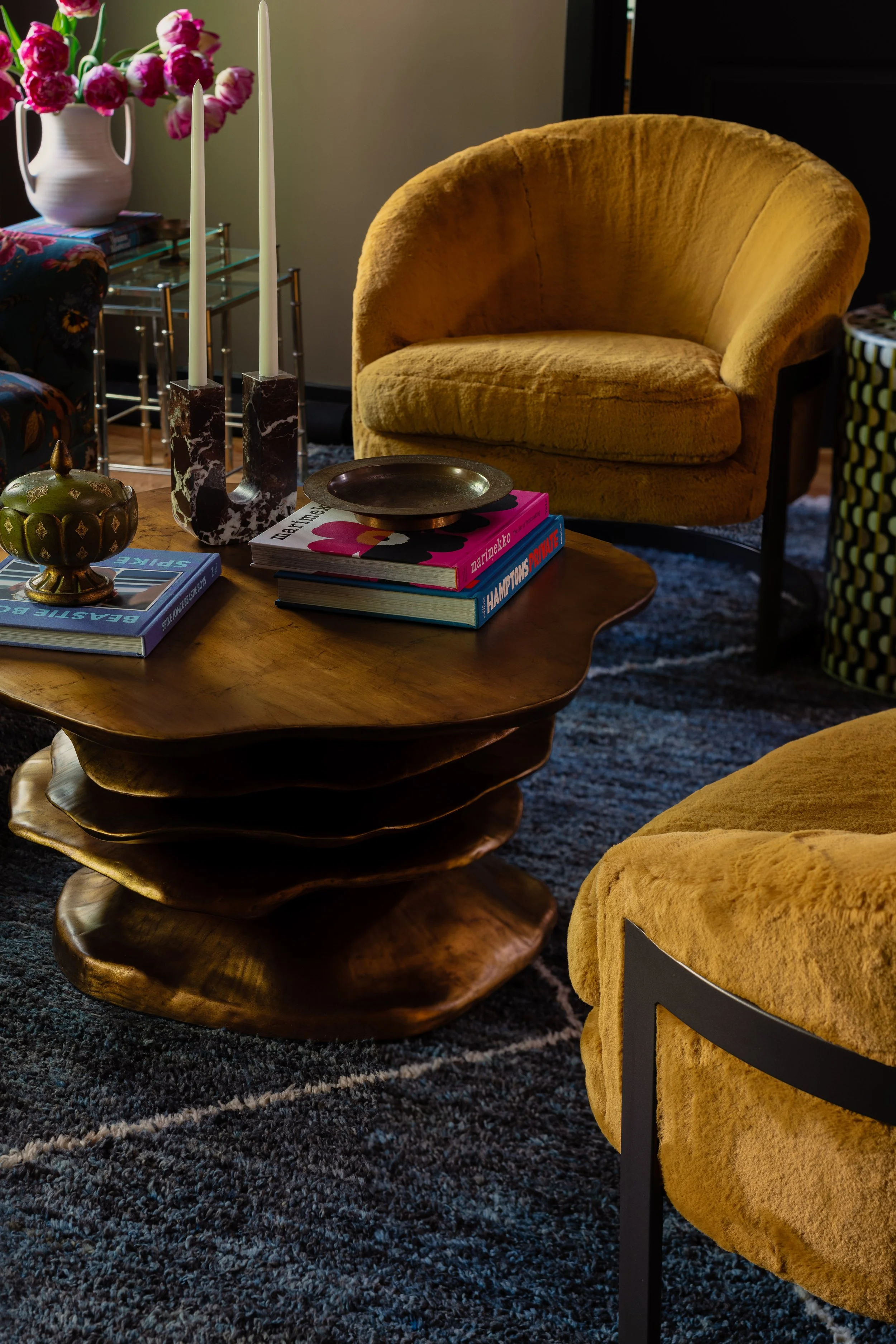
For our clients' projects, sourcing pieces that feel collected—and integrating personal items or family heirlooms—completes the space, makes it feel tailored, and tells their unique story. The goal is to design a personal environment that reflects the client's life, rather than making it look like every item was picked in a single day from a showroom. Both living room vignettes feel artfully curated and timeless, creating charming spaces our clients love coming home to. Ultimately, accessories like art, books, and vases provide the finishing touches that make a room feel lived-in, yet polished and complete.
Have you ever wondered what differentiates good design from bad design? This week, we’re going back to the basics of what makes homes feel balanced and personally collected.
Function + Beauty
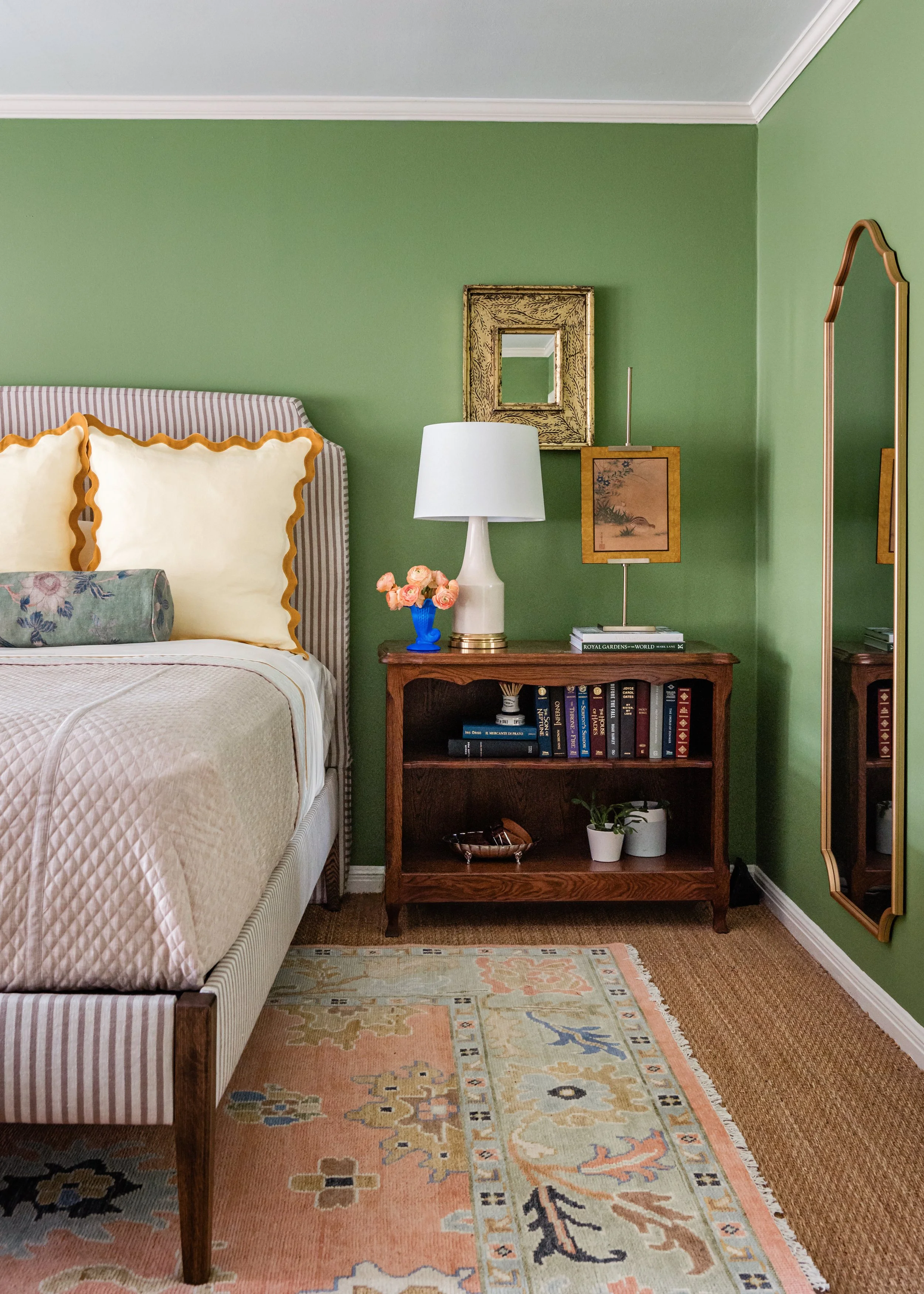
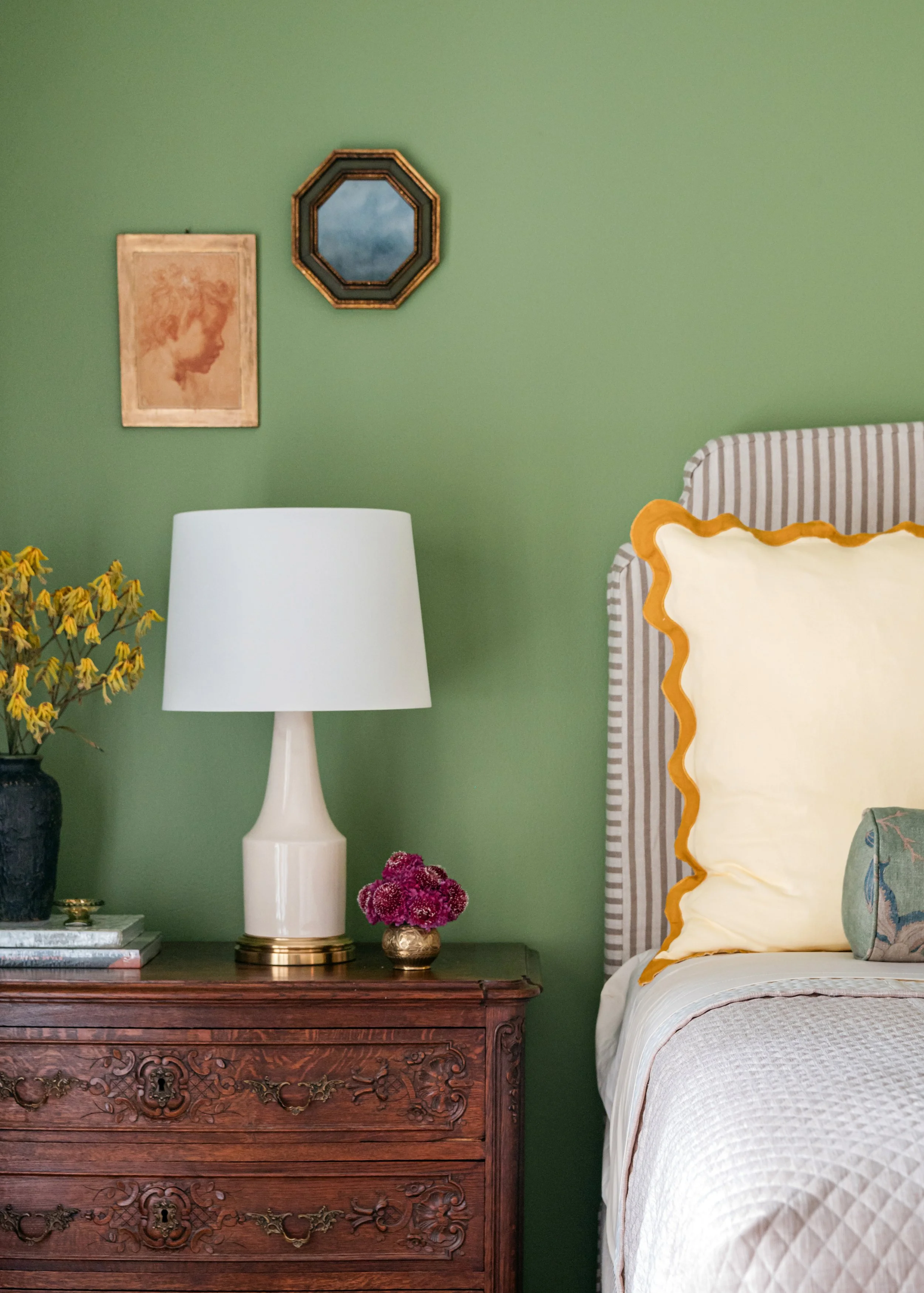
A well-designed room seamlessly balances beauty and function. In the primary bedroom of our Old World Oasis project, we took inspiration from our client’s existing nightstand and replicated it with a practical twist. To accommodate their book collection, we custom-designed the second piece to include open storage while matching the original's timeless silhouette and warm wood stain. The result is a subtle asymmetry that feels collected, balanced, and entirely unique.
Proportion, Texture, and Personal Touches
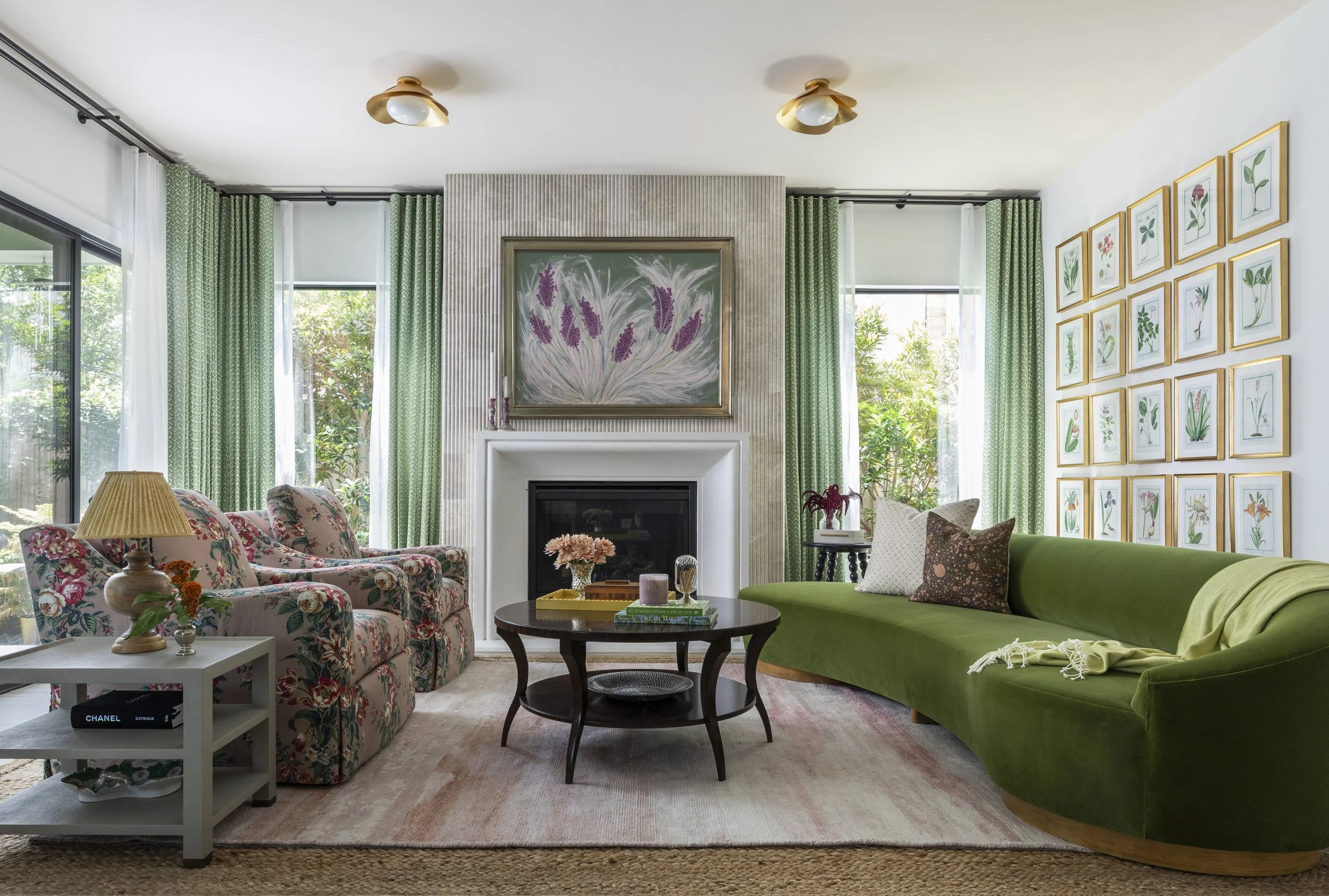
According to Emily, "Good designs rely on proportion, texture, and personal touches." For example, sourcing the perfect fabric involves evaluating several different elements. While color and texture are often the first characteristics that come to mind, the scale of a pattern is an equally vital yet frequently overlooked consideration. Introducing a large-scale pattern to a piece of furniture, drapery, or a pillow injects instant visual interest, preventing a room from feeling flat or sterile. In other settings, sourcing a smaller print can ground a space that already has plenty of visual interest. Similarly, intentionally mixing textures and colors is a powerful way to build a layered, sophisticated aesthetic that gives the space depth.